

Instruments set up to play their best
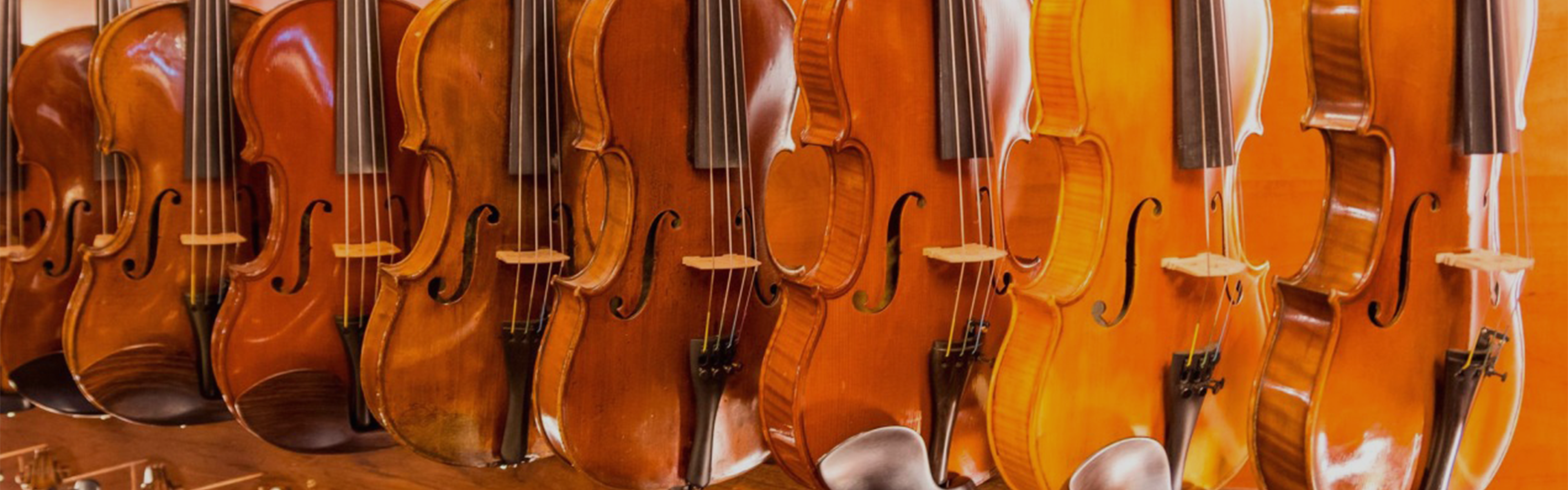
Violins, violas, cellos & basses hand-selected and adjusted in our Connecticut workshop. Serving musicians since 1979.
45-day returns on most items · Insured shipping · (203) 661‑9500


Where would you like to start?
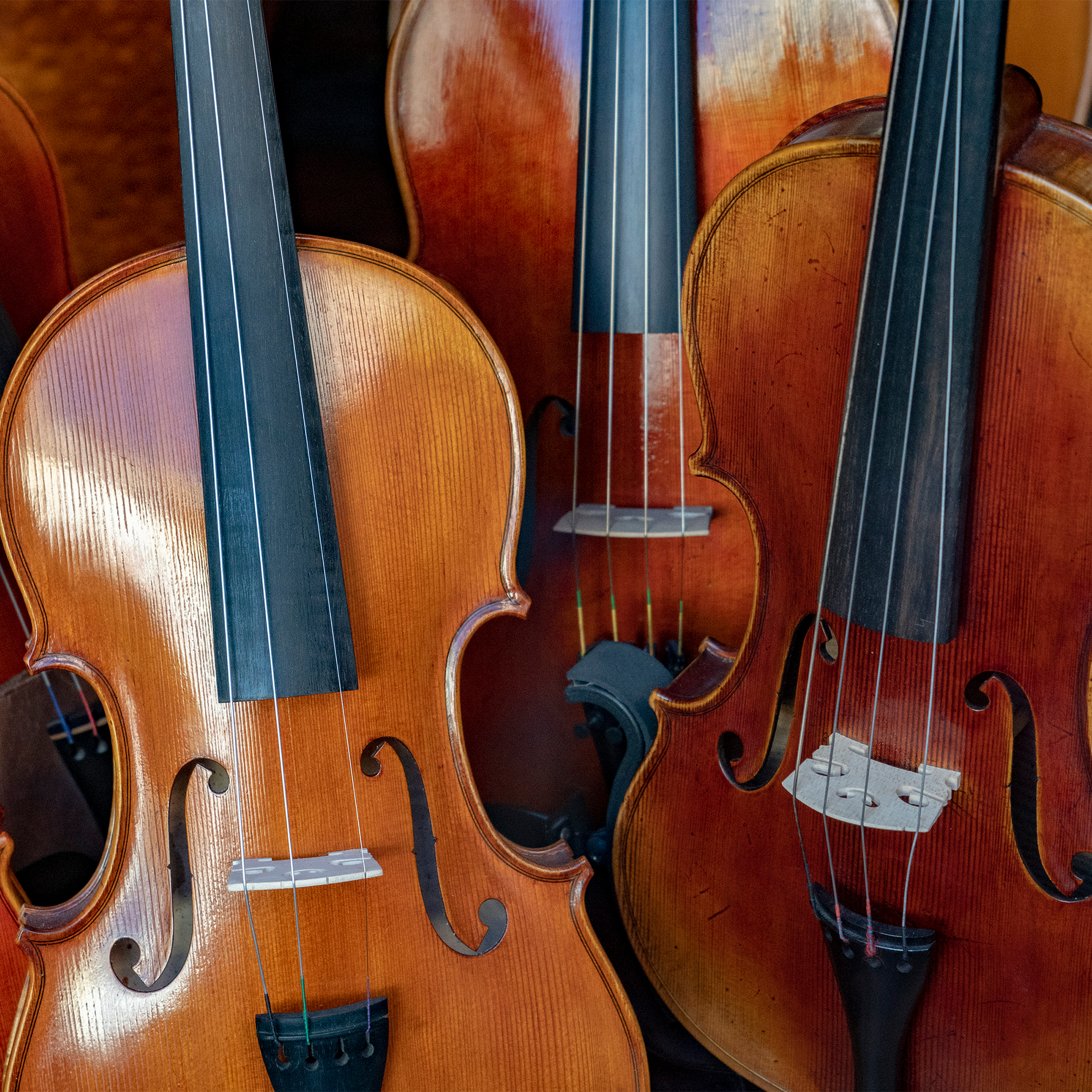
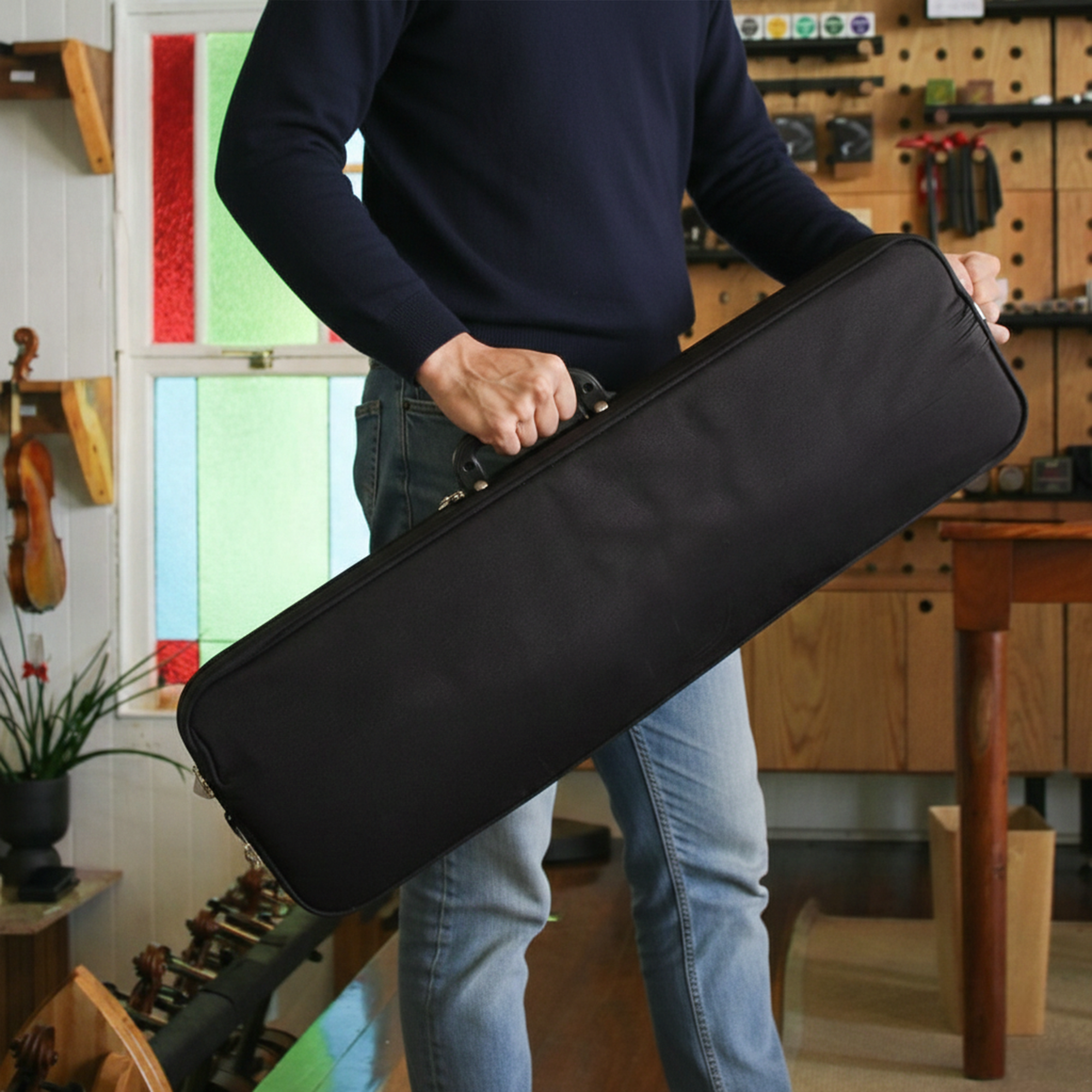

Hand-selected and workshop-ready
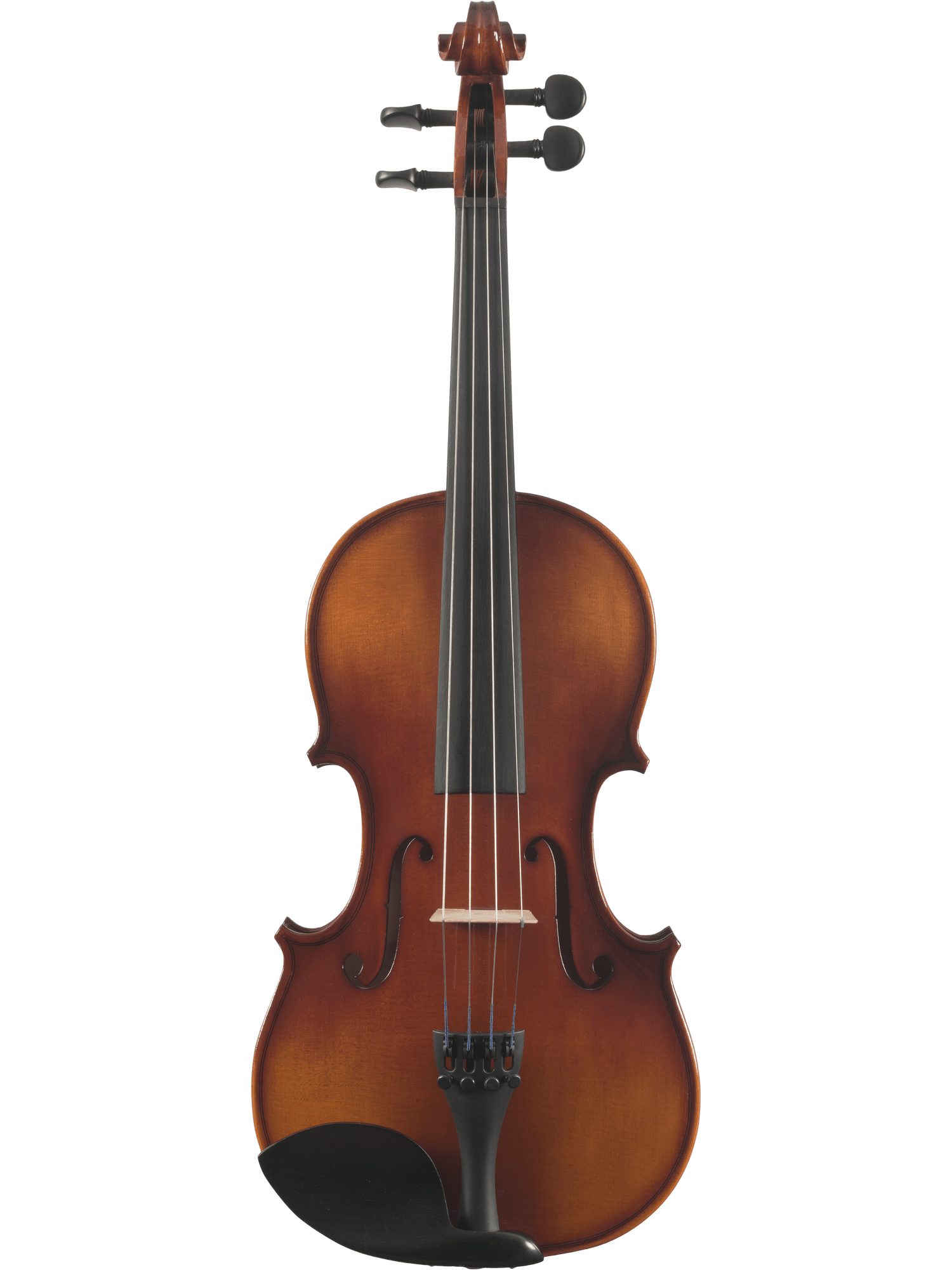
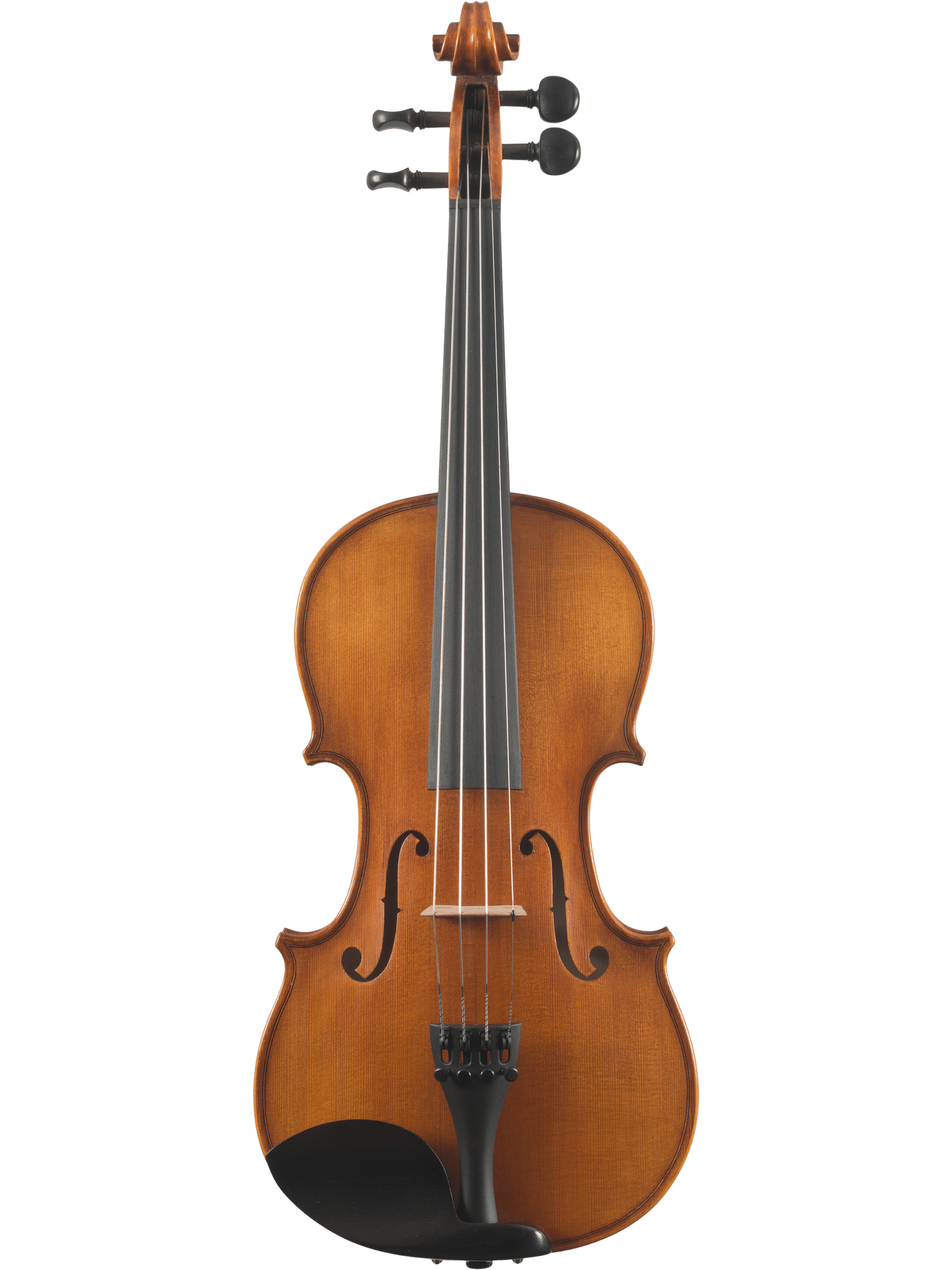
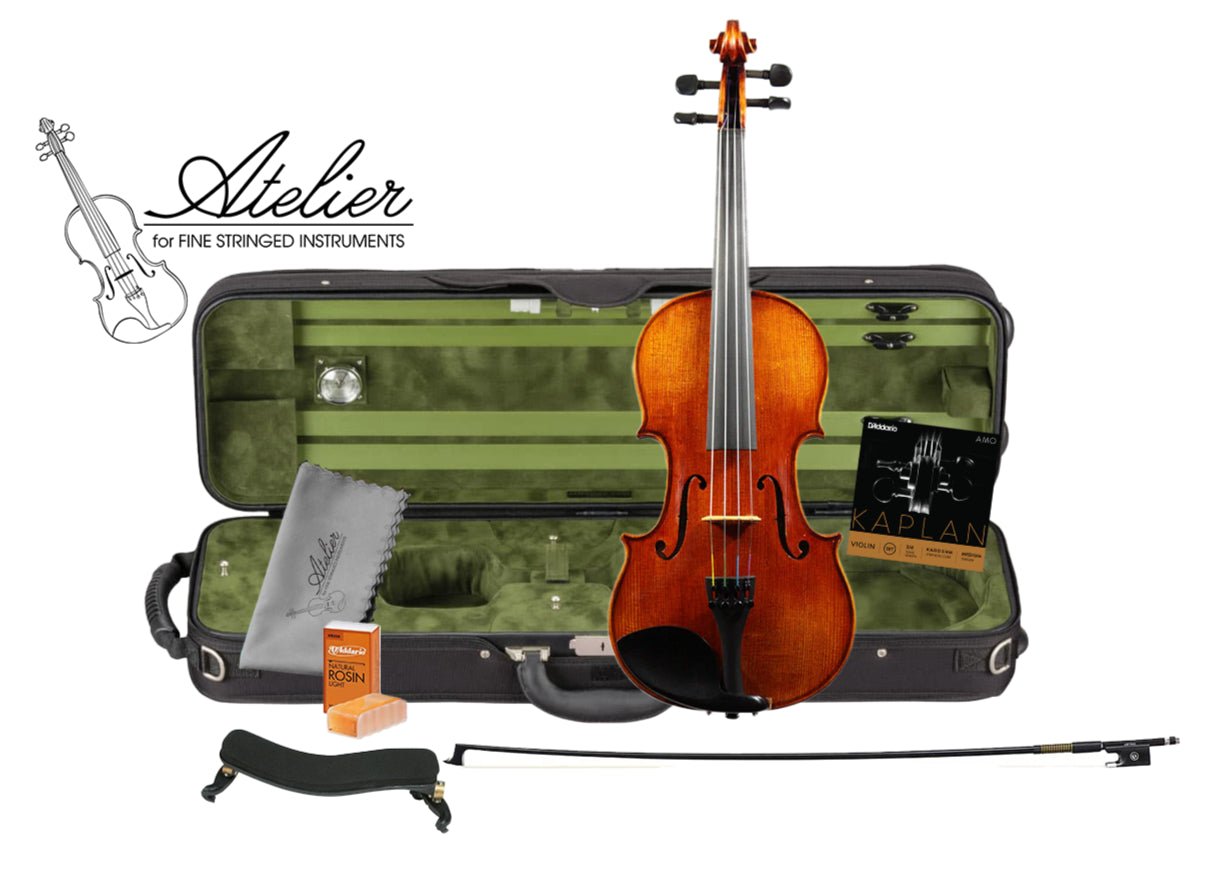
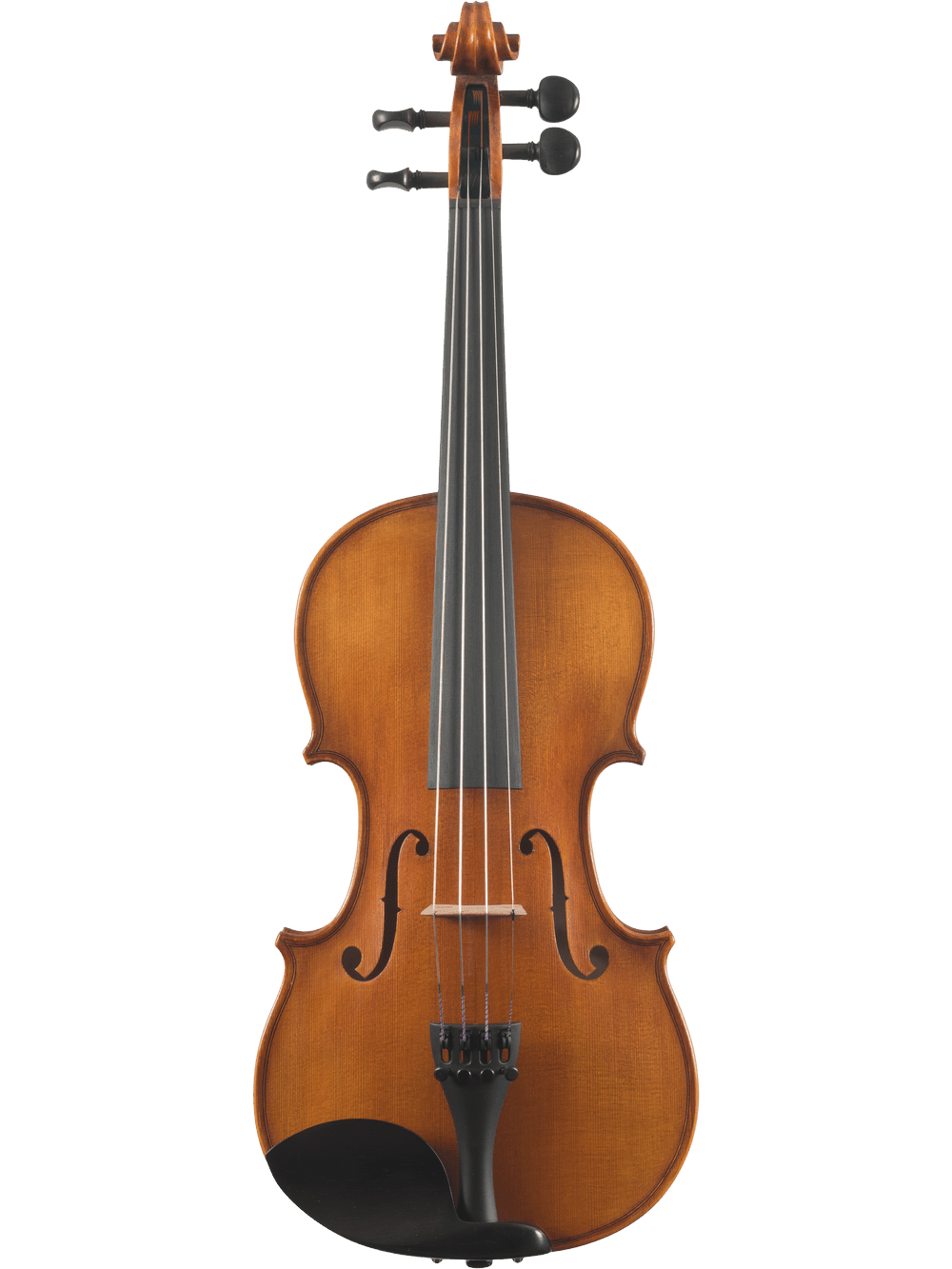
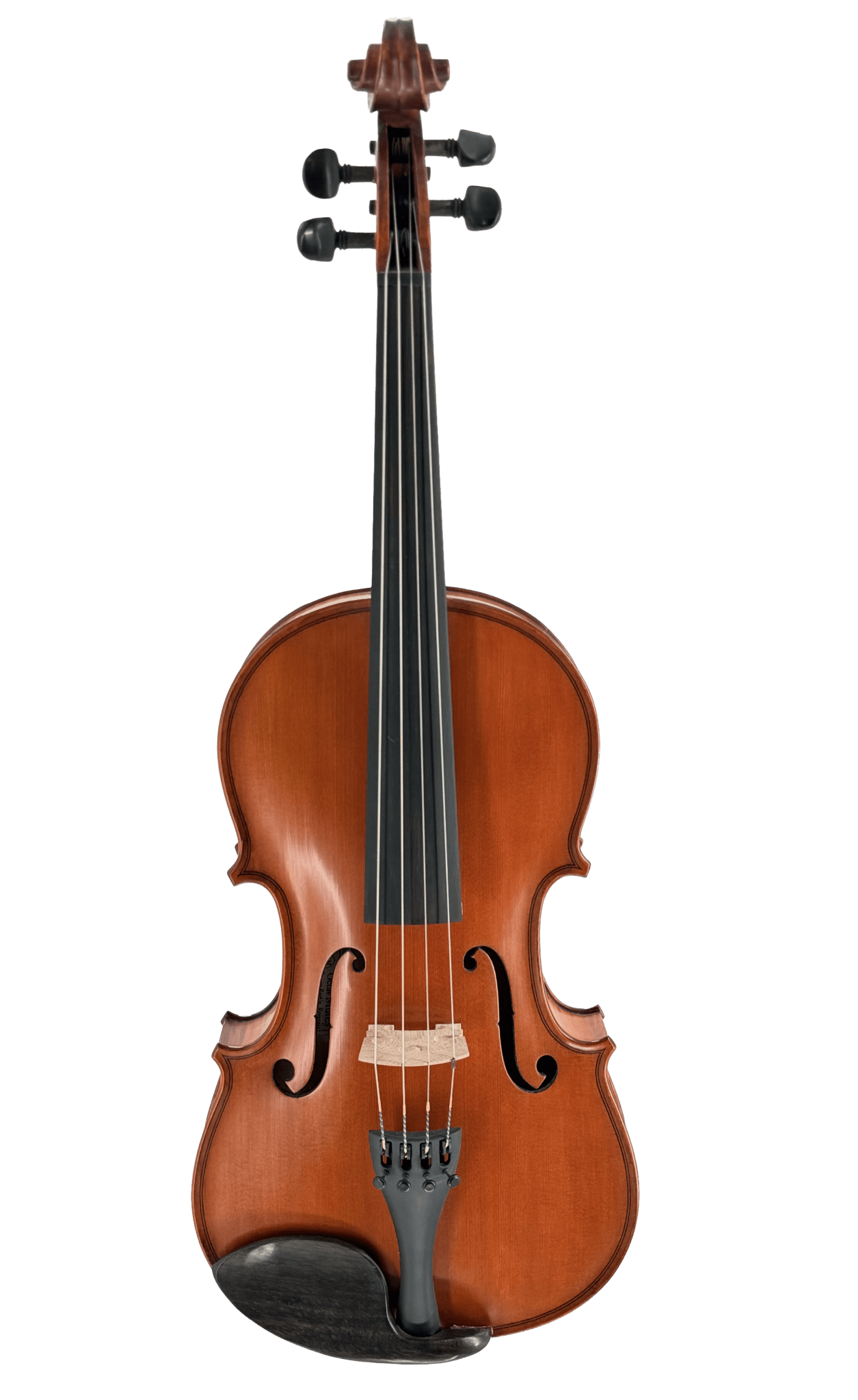
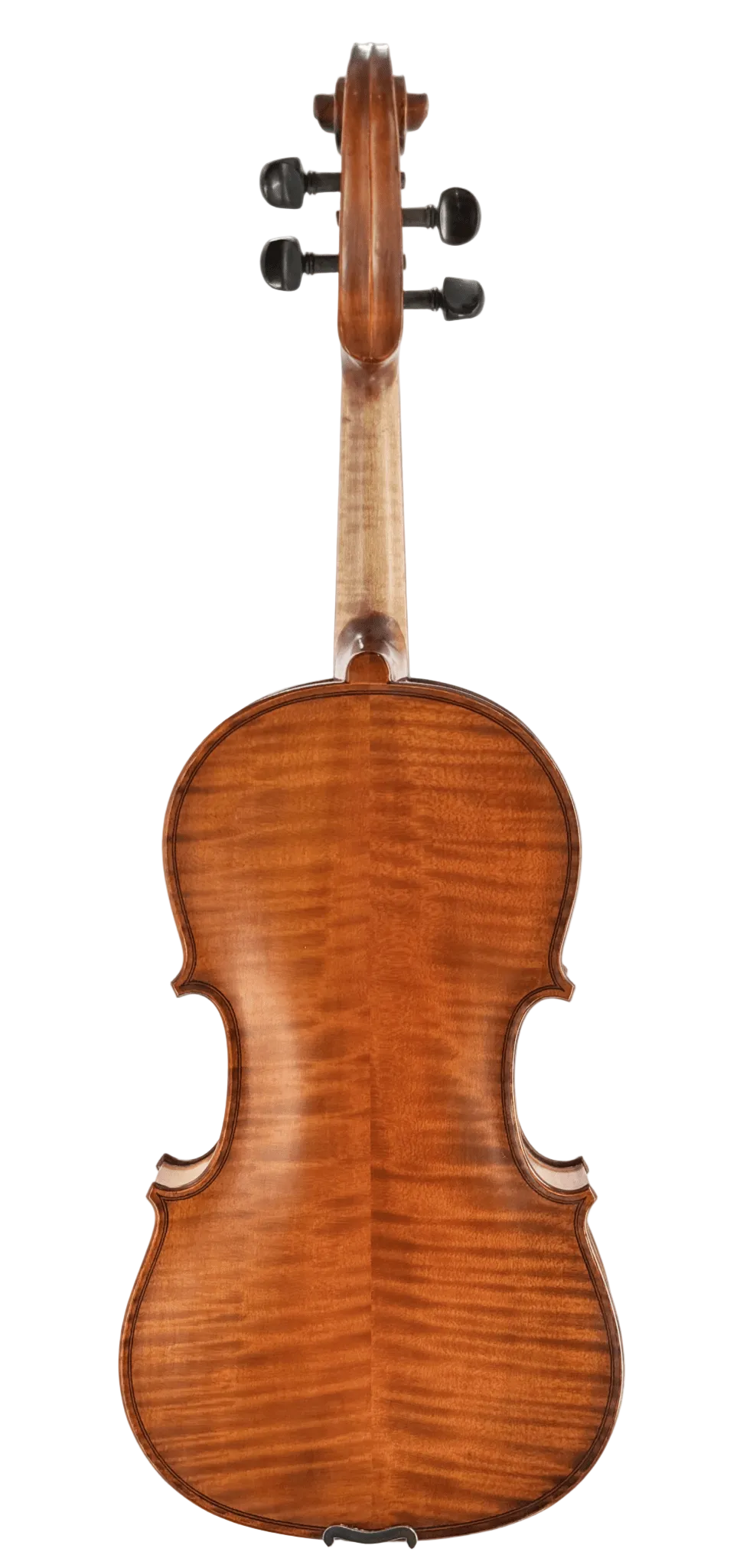
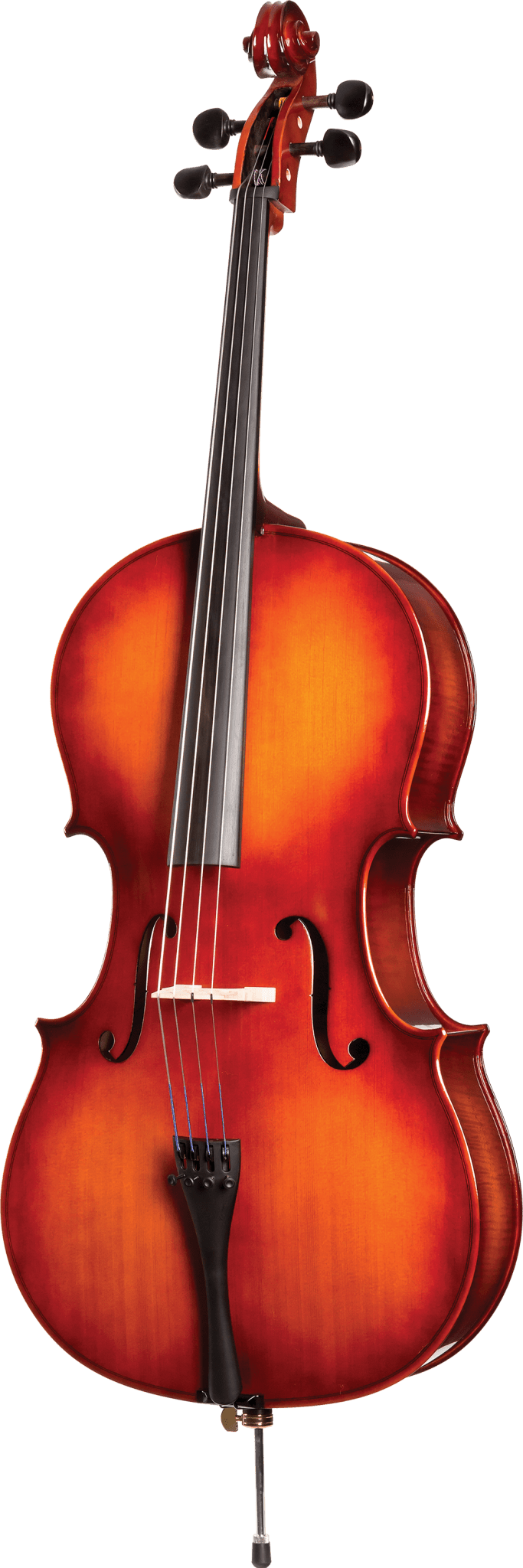
Best Sellers








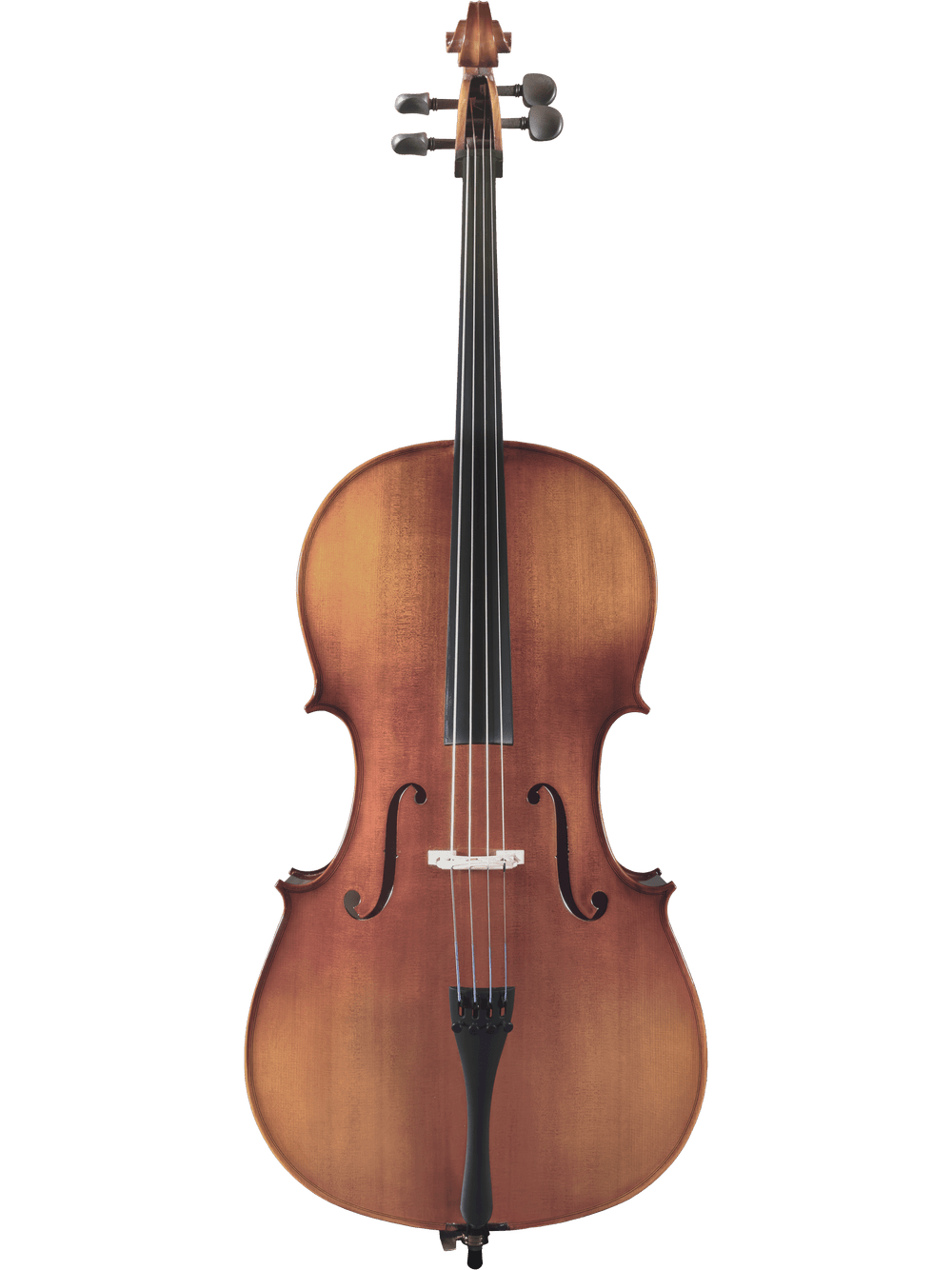

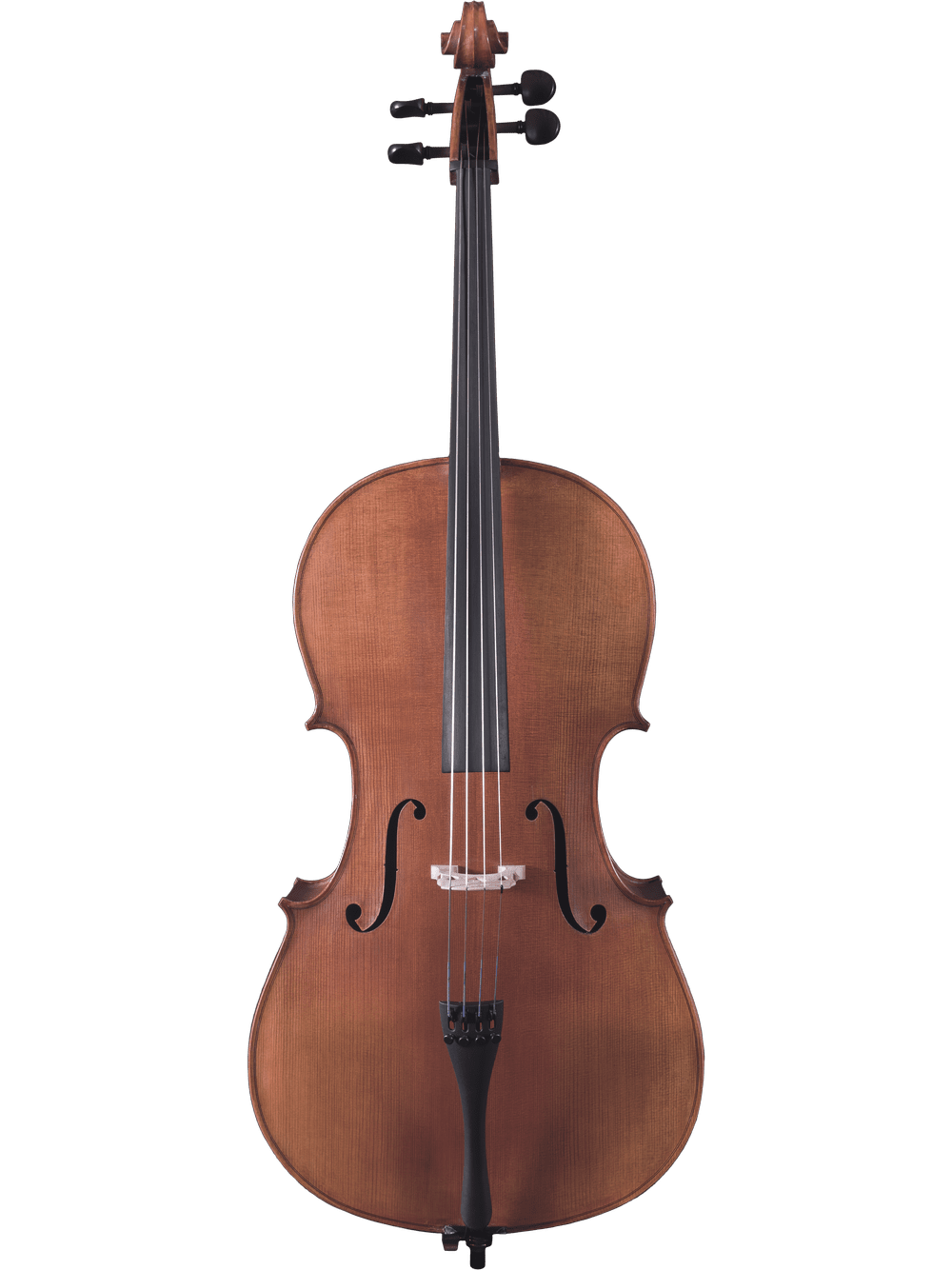


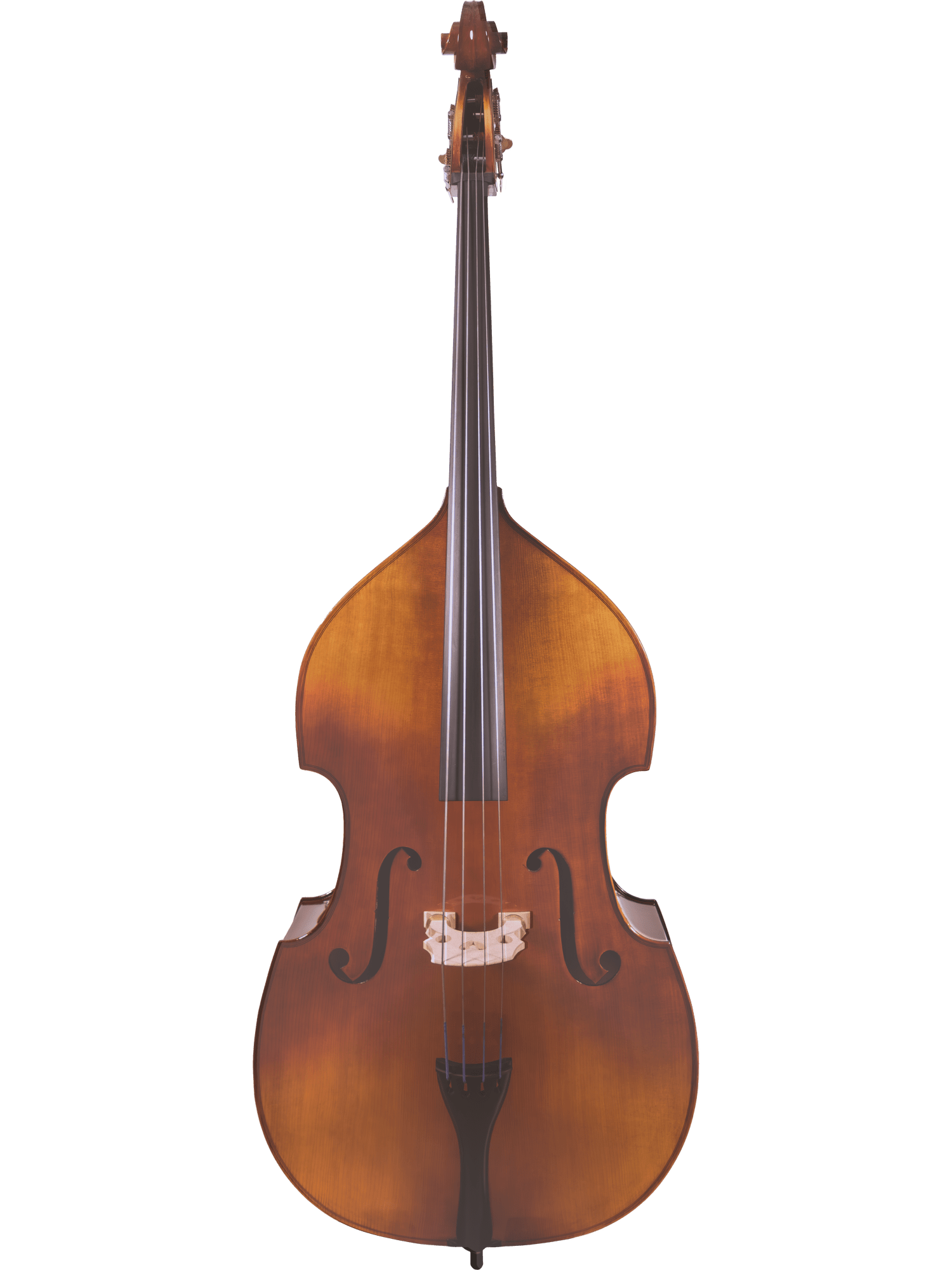

From players and parents
What our customers hear first: the sound
★★★★★ Google review
Such a wide range of instruments that don't only fit well but also have great sound quality for reasonable prices.
Tobias L.
Instrument upgrade customer
They shipped my beautiful Canzona violin within a couple hours. The instrument blew my son's teacher away. For the price, the sound and setup were incredible!
John Z.
★★★★★ Google review
The service is the best I've come across, friendly and knowledgeable. The prices are very competitive.
Alex B.
For students, parents & players moving up
Choosing an instrument online shouldn't mean choosing alone.
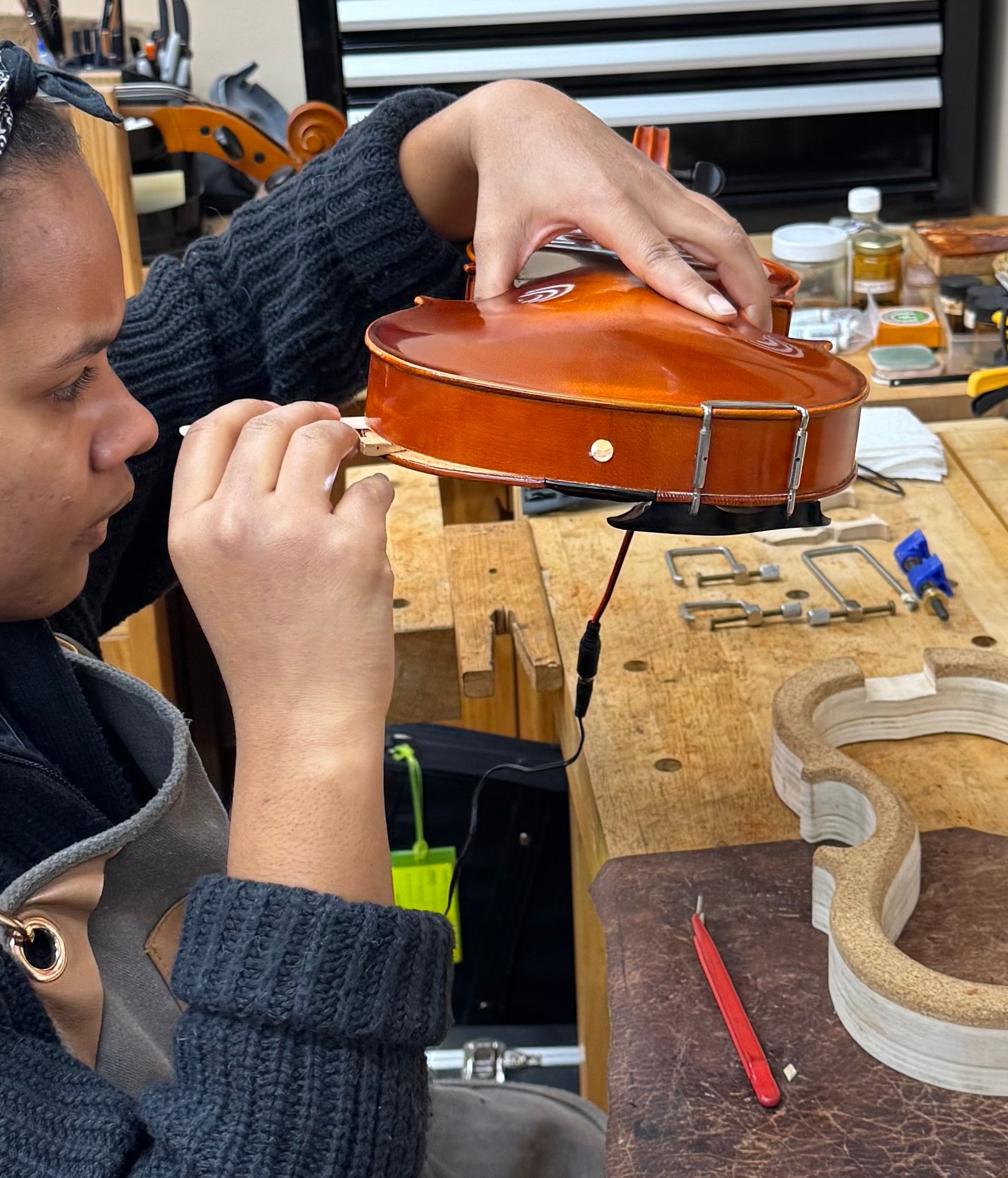
An instrument can look perfect in a photo and still be hard to play. Before it reaches you, our luthiers check and adjust what makes the difference: bridge, string height, pegs, soundpost, and strings. Not sure which size or level is right? Talk to a specialist who plays.
Why it matters
Selected, adjusted, and supported by a real workshop
Selected with purpose
A curated range from beginner to advanced, built by partner workshops in Germany, Romania, and the Czech Republic for stability, tone, and long-term value.
Shop instrumentsAdjusted to play easily
A properly set-up instrument is easier to tune, finger, and bow, so students progress faster and stay motivated.
What setup meansThe right fit, first time
Use our free FitFinder for a personalized size recommendation, then confirm the fit with a specialist before you buy or rent.
Find your sizeWhy Atelier
A specialist shop vs. a typical online marketplace
| What matters | Atelier | Typical online marketplace |
|---|---|---|
| Setup before it ships | Adjusted in our workshop: bridge, strings, pegs, soundpost | Often shipped as it left the factory |
| Help choosing | String specialists by phone, chat, or in our shop | General customer service |
| Getting the size right | Free FitFinder plus specialist confirmation | A size chart |
| If it isn't right | 45-day returns on most items | Varies by seller |
| When the player grows | Trade-Up Program: up to 100% of the original price toward a qualifying upgrade | Resell it yourself |
| After the sale | In-house luthier repairs, adjustments, and bow rehairs | Find a repair shop on your own |
Return exclusions apply; see our return policy. Trade-ups require an in-person evaluation; see Trade-Up terms.

Atelier for Fine Stringed Instruments
Where Fine European Craftsmanship Meets Masterful Restoration
Atelier is more than a violin shop — it’s a place where musicians, families, and educators discover instruments that inspire confidence and creativity. Every violin, viola, cello, and bass we offer is hand-selected, workshop-adjusted, and curated by experts with decades of experience. Whether you're renting your first violin or searching for a professional-level instrument, Atelier ensures the highest level of quality, care, and musicality.
Instruments For Sale
European Craftsmanship. Atelier Expertise. Instruments That Grow With You.
We carry a curated selection of:
Student and step-up instruments
Advanced and pre-professional models
Handmade European violins, violas, cellos, and basses
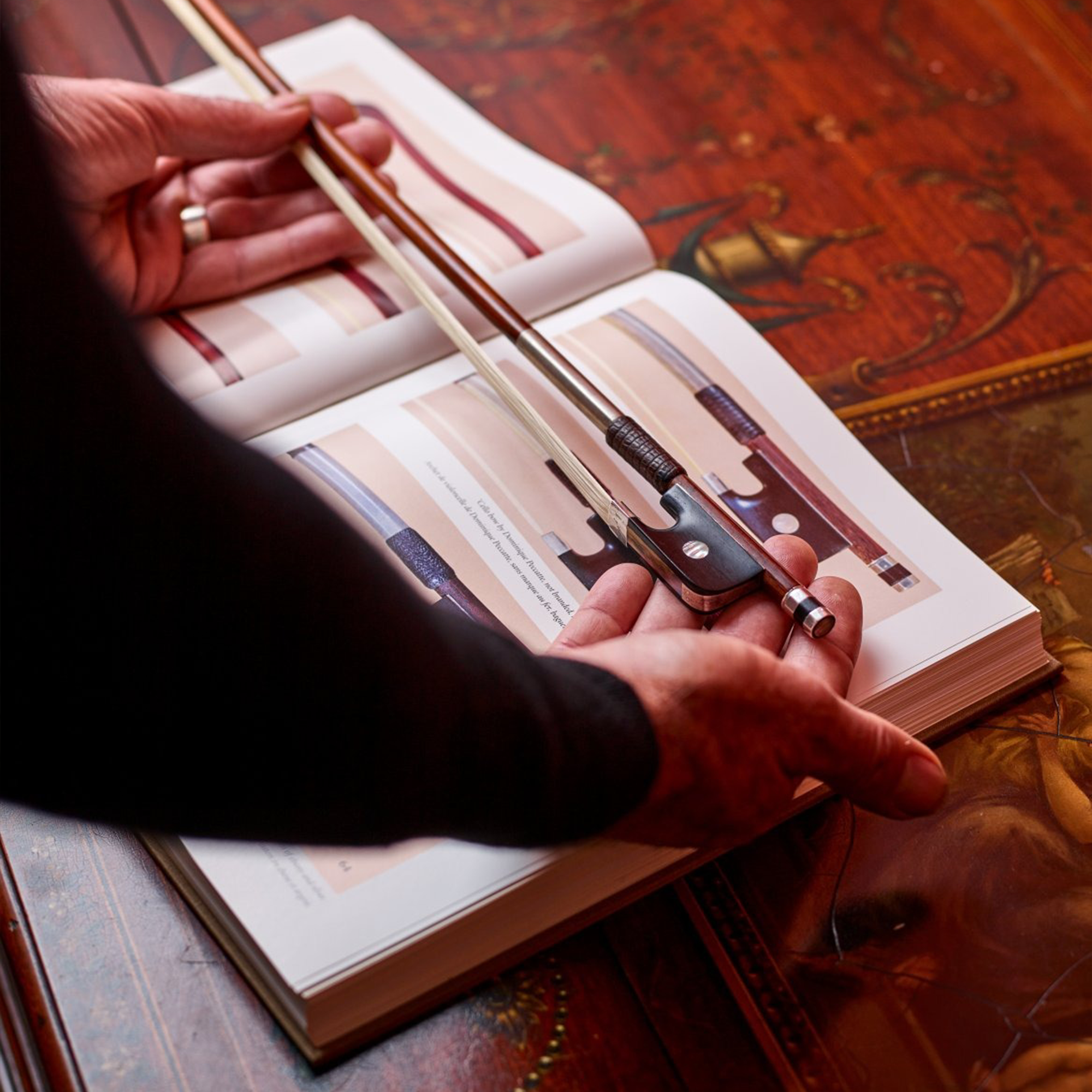
Workshop and luthier-crafted bows
Our partners in Germany, Romania, and the Czech Republic build instruments known for stability, tone, and long-term value — and every instrument is finely adjusted in-house for optimal playability.
Whether you're upgrading from a rental or searching for a lifetime instrument, we’ll guide you every step of the way.
Rental Program
High-Quality Instruments for Students of Every Level
Our rental program is built around one core principle: Students should learn on instruments that make them sound good from day one.
That’s why our rentals are:
- Crafted in established workshops across Europe and select international ateliers, each chosen for consistency, materials, and reliability.
- The same quality we use in our step-up and sales inventory
- Professionally set up in-house for comfort, tone, and responsiveness
Repairs & bow rehairs
A workshop that keeps you playing
★★★★★ Google review
They fixed my cello up and kept me well informed throughout the process. The instrument now plays beautifully!
Joe E.
★★★★★ Google review
Excellent repair of my son's bass. They are meticulous professionals. Excellent customer service.
Chuck A.
Workshop client
Amazing job repairing my violin! I had my bow rehaired and my bridge lowered. Highly professional people. I will definitely be coming back!
Emily M.
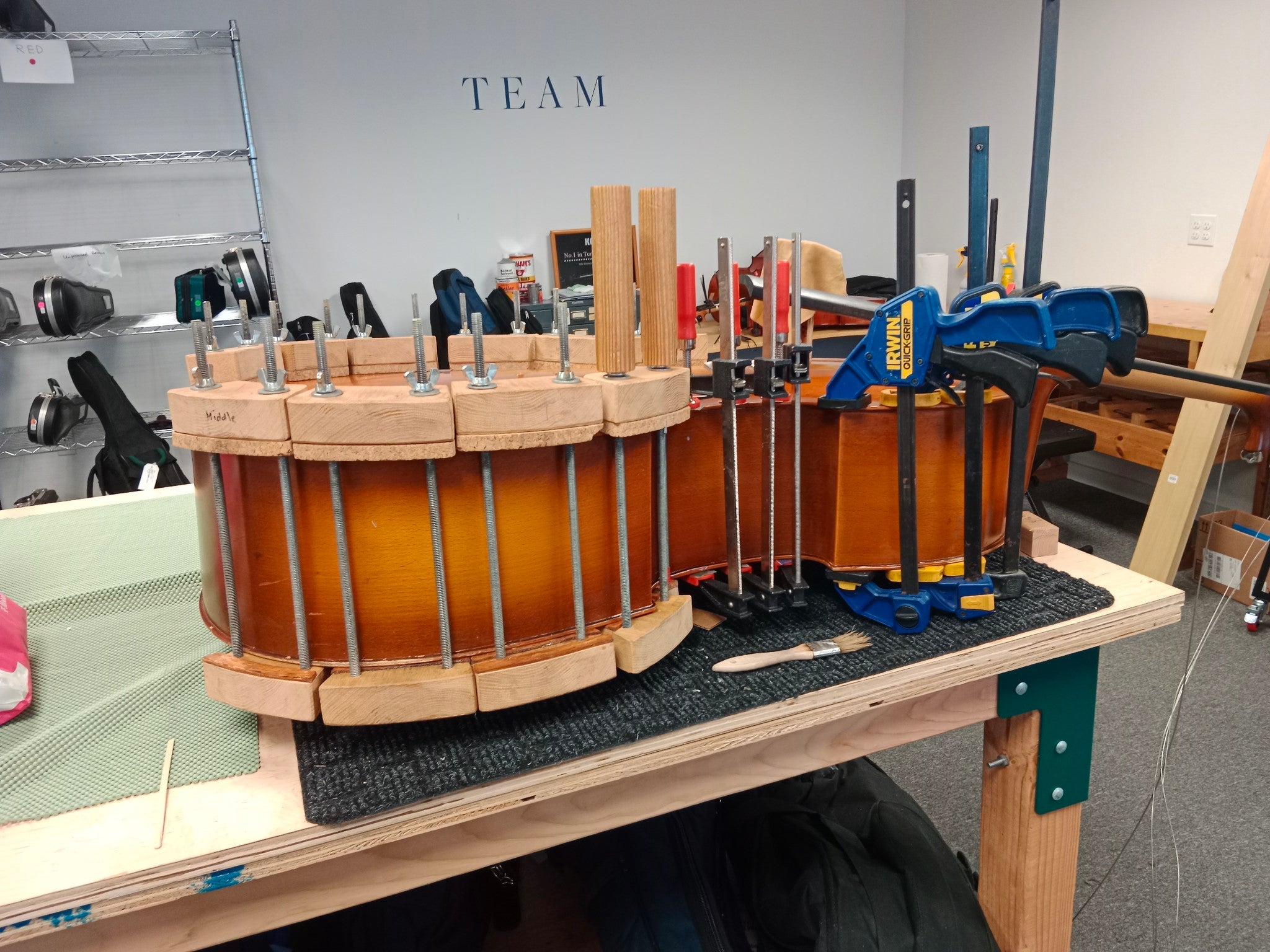
Bridges, cracks, soundposts, fingerboards, pegs, and bow rehairs, done by our luthiers.
We work with select makers and workshops whose standards for craftsmanship, materials, and consistency match our own.
Our Manufacturing & Workshop Partners


Where we serve
Fine strings for Fairfield County and beyond
Buy online from anywhere in the continental US, or rent and service your instrument with us across Fairfield County. Choose your town for local rental and repair details.
- Ships nationwideShop onlineViolins, violas, cellos and basses, set up by our luthiers and shipped fully insured across the continental US.Shop all instruments →
- Our Cos Cob shopGreenwich & Cos CobViolin, viola, cello and bass rentals, repairs and luthier setup.Rentals in Greenwich →
- StamfordViolin, viola, cello and bass rentals, repairs and luthier setup.Rentals in Stamford →
- DarienViolin, viola, cello and bass rentals, repairs and luthier setup.Rentals in Darien →
- New CanaanViolin, viola, cello and bass rentals, repairs and luthier setup.Rentals in New Canaan →
- Our Norwalk shopNorwalkViolin, viola, cello and bass rentals, repairs and luthier setup.Rentals in Norwalk →
- WestportViolin, viola, cello and bass rentals, repairs and luthier setup.Rentals in Westport →
- FairfieldViolin, viola, cello and bass rentals, repairs and luthier setup.Rentals in Fairfield →
Questions before you buy
“Fast shipping, great pricing, and answered all my questions.” — Michael C., parent of a student
Our luthiers evaluate and adjust the parts that affect playability, tuning, response, and tone: bridge, nut, string height, pegs, soundpost, fingerboard, fittings, and strings. Learn more about setup.
Most items can be returned within 45 days of delivery in original condition with everything that shipped with them. Opened strings, rosin, and care products, played bows, and international orders are not returnable, instruments priced above $3,000 and antique instruments have a 7-day return window, and consignment instruments may carry individual terms. Read the full return policy.
In-stock accessories ship in 1–2 business days. Student instruments ship in 2–3 business days after setup inspection. Fine and consignment instruments take 3–5 business days for professional packing.
Standard US shipping is free on most orders of $99 or more. Cellos, basses, and oversized items ship at a flat freight or oversized rate shown at checkout. Every instrument ships fully insured.
Use our free FitFinder for a recommended size and fit checklist, or call us and we'll help confirm it.
Yes. Our Trade-Up Program can apply up to 100% of your original Atelier purchase price toward a qualifying higher-level instrument, after an in-person evaluation.
Yes. Cos Cob (403 East Putnam Avenue): Monday–Friday 10–6, and Saturdays 10–2 from June 15 through October 15; closed Sundays. Norwalk (20 Fitch Street): Monday–Friday 10–5; closed weekends. Local pickup is available at Cos Cob by appointment.
Yes, for students in Fairfield and Westchester counties. See rental information.
Ready when you are
Find the instrument that's right for you
Hand-selected, set up in our workshop, and backed by 45-day returns on most items. Not sure where to start? Call (203) 661-9500 or send us a message.