
The Essential European String Family
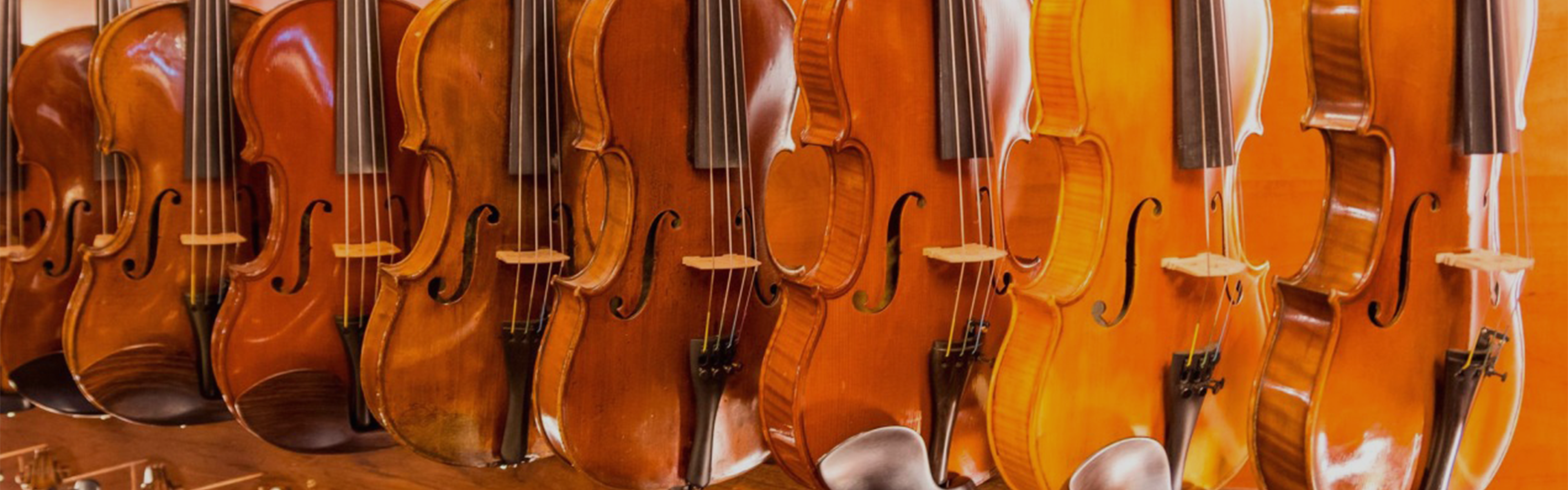
The violin, viola, cello, and double bass form the foundation of Western classical music. Each instrument occupies its own expressive range and serves a distinct musical purpose.
Violin - The smallest and highest-voiced member of the family, the violin produces a bright, penetrating tone that carries melody lines in orchestral and chamber music. Its versatility extends from baroque sonatas to folk fiddle traditions across Europe.
Viola - Slightly larger than the violin and tuned a fifth lower, the viola offers a darker, more introspective voice. Often assigned inner harmonies in ensemble settings, the viola has emerged as a solo instrument in its own right, particularly in the hands of 20th and 21st century composers.
Cello - The cello's rich tenor register combines singing melodic capability with powerful low-end resonance. From Bach's unaccompanied suites to romantic concertos, the cello occupies a central role in both solo and ensemble repertoire.
Double Bass - As the largest and lowest member of the family, the double bass provides harmonic foundation in orchestral and jazz settings. Its deep, resonant tone anchors the string section and rhythm section alike.
Europe's Broader String Instrument Legacy
While the violin family dominates modern classical performance, Europe developed numerous other plucked and bowed string instruments that shaped musical history.
The Harp - Ancient European harps evolved from simple folk instruments into the sophisticated pedal harp used in modern orchestras. Celtic traditions maintain distinct harp styles to this day.
The Lute - This Renaissance plucked instrument was the dominant solo and accompaniment instrument before the guitar's rise. Lute music from the 16th and 17th centuries represents some of Europe's most refined compositional achievement.
The Mandolin - Developed in Italy, the mandolin's bright, percussive tone found homes in both classical chamber music and folk traditions, particularly in Southern Europe and later in American bluegrass.
These instruments and others - the viol family, the hurdy-gurdy, the psaltery - demonstrate Europe's rich history of instrumental innovation and regional musical identity.
Selecting Your String Instrument
Finding the right instrument requires honest assessment of your goals, physical considerations, and budget.
Define your musical direction. Classical orchestra work demands different instrument characteristics than folk music or chamber performance. Your repertoire interests should guide your selection.
Size matters. Violins and violas are manufactured in fractional sizes for younger players. Adults with smaller builds may find certain fractional sizes more comfortable than full-size instruments. An instrument that fits properly allows better technique development and prevents injury.
Listen critically. Every instrument has its own voice, even within the same model from the same maker. Play multiple instruments when possible, or ask to hear them demonstrated. Trust your ear - the instrument that sounds right to you will inspire you to practice.
Examine construction quality. Solid carved wood instruments project better and age more gracefully than laminated alternatives. Check for proper fitting of bridge, soundpost, pegs, and fingerboard. Quality setup makes the difference between an instrument that plays easily and one that fights you.
Get expert input. Teachers, advanced players, and luthiers offer perspective you can't gain from internet research alone. Their experience helps you avoid common pitfalls and find hidden value.
Caring for Your Investment
A well-maintained string instrument improves with age. Neglect causes permanent damage.
Clean after every playing session. Rosin accumulates on the top, dulling varnish and eventually damaging wood. A soft cloth removes rosin dust before it hardens. Never use household cleaners or polishes on instruments.
Control humidity. Wood responds to moisture changes by swelling and shrinking. Extreme dryness causes cracks. Excessive humidity causes seams to open and glue joints to fail. Maintain 40-50% relative humidity year-round using a hygrometer and appropriate humidification system.
Replace strings when they lose clarity. Old strings sound dull and respond slowly. How often you change them depends on playing frequency, but most serious players replace strings every 6-12 months.
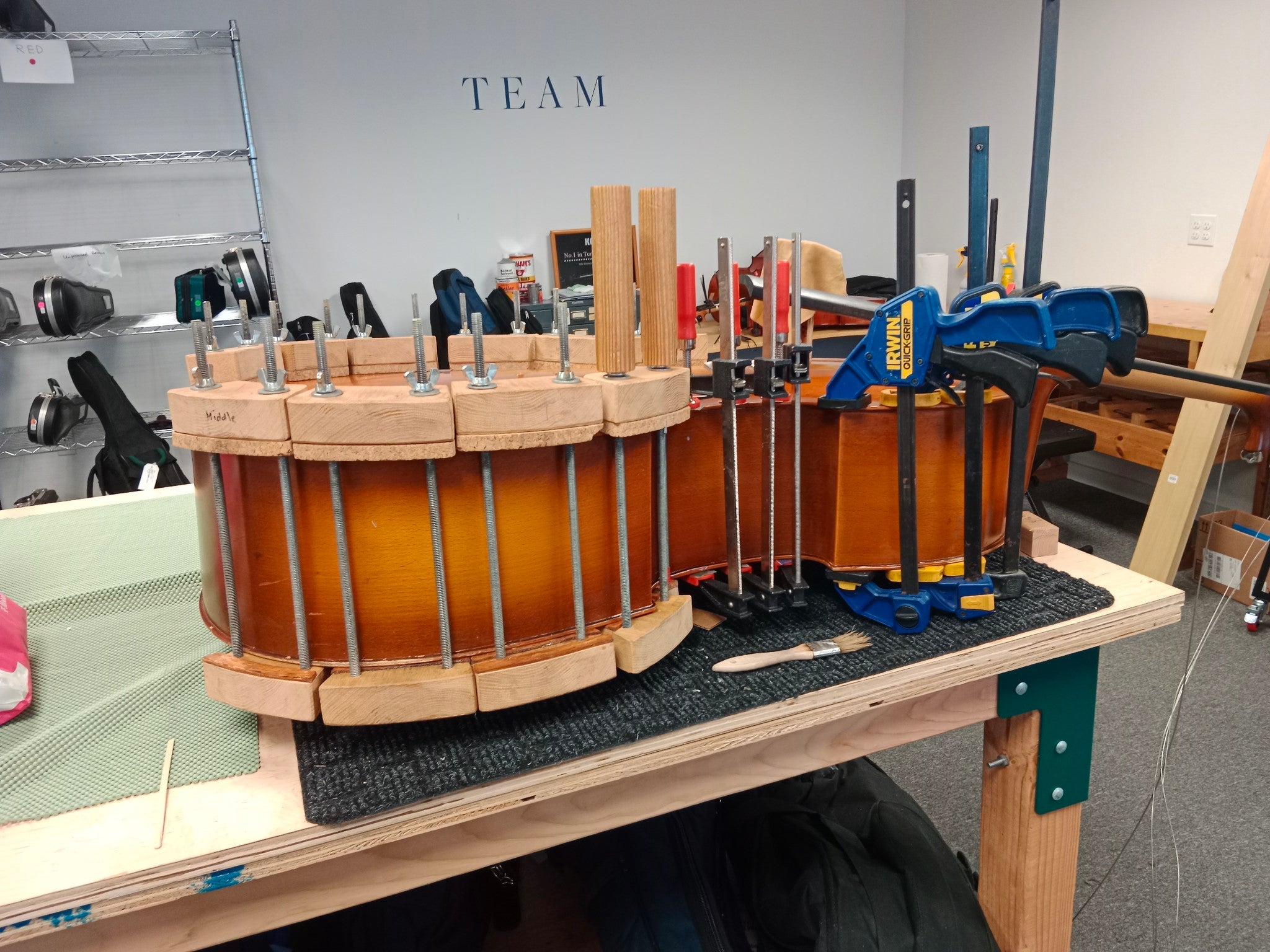
Schedule annual professional maintenance. A qualified luthier checks soundpost fit, bridge placement, fingerboard condition, and countless other details that affect playability and sound. Small problems caught early prevent expensive repairs later.
Proper care preserves not just the instrument's condition but its value - both monetary and musical. A violin played and maintained for decades develops tonal complexity impossible in new instruments.
Why European String Instruments Endure
The violin family emerged in 16th century Italy and has remained essentially unchanged for over 400 years. This remarkable stability reflects successful design - the acoustic principles that made Stradivari and Guarneri violins supreme in 1700 still apply today.
European string instruments connect modern players to centuries of musical tradition. When you draw a bow across strings, you participate in an unbroken line reaching back to Renaissance workshops and forward to concert halls not yet built.
Whether you play professionally or for personal enjoyment, understanding these instruments' heritage deepens your relationship with them. The right instrument, properly maintained and played with respect for its traditions, becomes a lifelong companion in musical exploration.